

One of the most critical decisions in electronic board typesetting production is which board typesetting method to use. Because the method chosen directly affects not only the production process, but also the cost, durability and performance of the product in the field. The two most widely used technologies today are SMD typesetting and THT typesetting, respond to different needs and often the right choice depends on the project.
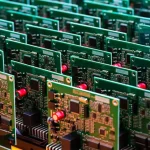
THT board typesetting, or through hole technology, is based on the principle of soldering components to the back surface of the board through holes on the PCB. This method is particularly important in applications where physical strength is important. It is still one of the most reliable solutions for heavy or mechanically stressed components such as large connectors and transformers.
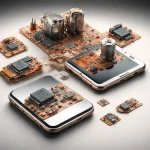
In contrast, SMD board layout is the basis of modern electronic production. By placing components directly on the board surface, much more compact designs are achieved. Automated pick & place machines significantly increase both speed and production repeatability. This is why today almost all high-volume production, from smart devices to IoT products, is done with SMD typesetting.
The difference between the two technologies is actually not just the assembly method. THT board typesetting is more durable but slower and labor intensive. SMD card typesetting, on the other hand, offers speed and cost advantages, but requires the design to be done correctly. Especially in products that will be used in vibrating environments, SMD card design should be done carefully.
At this point, “which is better?” is usually the wrong question. The right question is:
What does your project entail?
If you are developing a high-current, physically demanding product, THT board array may be a safer choice. However, if you are aiming for a small, lightweight and mass-producible product, the SMD array offers a clear advantage.
In many professional projects today, these two methods are used together. In this approach, which is called mixed array, critical and durable components are placed with THT and all other elements are placed with SMD. In this way, a balanced result is achieved in terms of both performance and cost.
In conclusion, choosing the right technology for the electronic board typesetting process is not only a technical but also a strategic decision. The wrong choice can increase the cost of production and even cause the product to cause problems in the field. Therefore, it makes a big difference to work with a partner who can offer technical guidance, not just price, when purchasing PCB typesetting services.
Are you looking for a reliable production partner for your SMD card typesetting or THT card typesetting needs? Send us your PCB and we will prepare a quick quote for the most cost-effective electronic board typesetting service. By getting an offer immediately you can start your production process.